
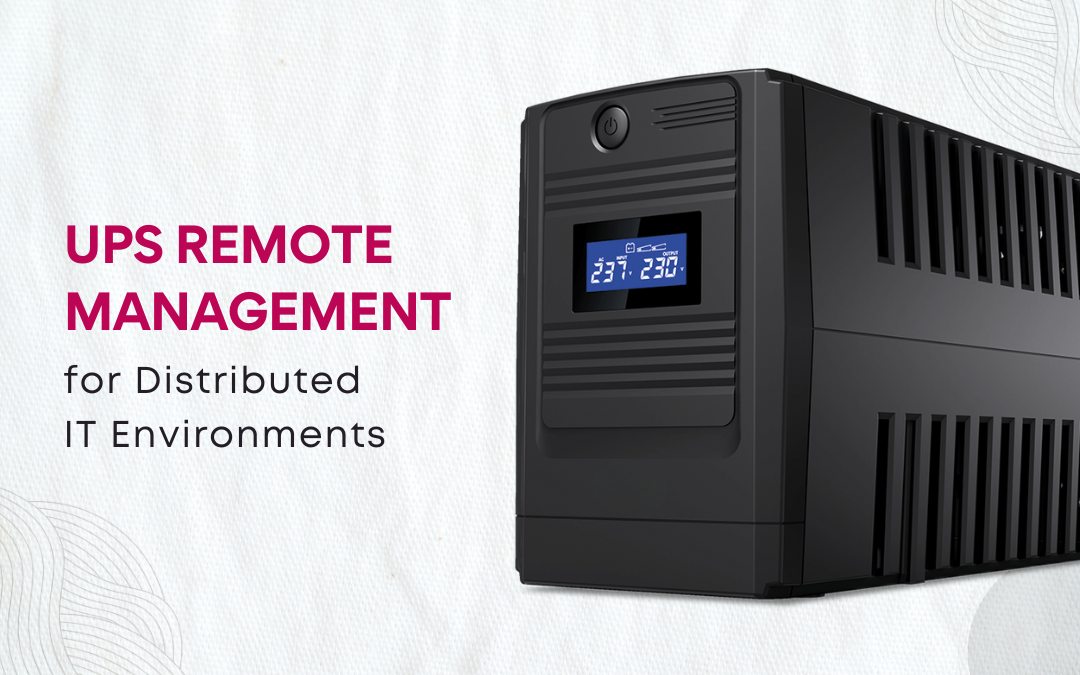
Managing power infrastructure across multiple locations has become a critical challenge for modern businesses. As organizations expand their IT footprint beyond centralized data centers, the need for sophisticated remote monitoring of uninterruptible power supply systems has never been more important.
Why Remote UPS Management Matters
In today’s distributed IT landscape, businesses operate servers, network equipment, and critical systems across various sites from branch offices to edge computing locations. Traditional hands-on UPS management simply doesn’t scale when your infrastructure spans multiple cities or regions. Remote management capabilities transform how IT teams protect their investments and maintain operational continuity.
Key Benefits of Remote UPS Monitoring
Proactive Maintenance and Issue Prevention
Modern smart UPS systems from leading manufacturers like APC UPS, CyberPower UPS, and Vertiv UPS provide real-time alerts about battery health, load capacity, and potential issues. This early warning system allows technicians to address problems before they escalate into costly downtime events.
Centralized Dashboard Control
Instead of traveling to each location, IT administrators can monitor all UPS power supply units from a single interface. This centralized approach saves time, reduces operational costs, and enables faster response times when issues arise.
Enhanced Power Analytics
Remote monitoring delivers detailed insights into power consumption patterns, runtime estimates, and environmental conditions. These analytics help optimize energy usage and plan for future capacity needs across your distributed network.
Essential Features for Distributed Environments
When selecting UPS systems for multi-site deployments, prioritize models with network management cards or built-in Ethernet connectivity. Leading brands offer cloud-based management platforms that integrate seamlessly with existing IT infrastructure.
SNMP Protocol Support
Simple Network Management Protocol enables integration with enterprise monitoring tools, allowing your UPS power supply Australia-wide network to communicate with centralized management systems.
Automated Reporting
Schedule regular reports on battery status, power events, and system health across all locations. This documentation proves invaluable for compliance requirements and maintenance planning.
Mobile Accessibility
Modern remote management solutions offer smartphone apps, ensuring critical alerts reach administrators regardless of their location.
Implementation Best Practices
Start by conducting a comprehensive audit of your current power protection infrastructure. Identify vulnerable points in your distributed network where monitoring gaps exist. Source 22 recommends implementing a phased rollout, beginning with mission-critical sites before expanding to secondary locations.
Ensure your network infrastructure supports secure remote access to UPS systems. Configure firewall rules appropriately and implement strong authentication protocols to protect management interfaces from unauthorized access.
Choosing the Right Solution
The ideal smart UPS system for distributed environments balances robust hardware with intuitive management software. Consider factors like battery runtime requirements, load capacity, and scalability when evaluating options from APC, CyberPower, or Vertiv UPS.
Remote management capabilities shouldn’t be an afterthought they’re essential infrastructure for any organization with distributed IT assets. By investing in properly monitored uninterruptible power supply systems, businesses gain the visibility and control needed to protect critical operations across every location.
Ready to upgrade your power protection strategy? Source 22 specializes in deploying enterprise-grade UPS solutions with comprehensive remote management capabilities across Australia, helping businesses maintain uptime and operational efficiency regardless of geographic spread.
